10 Best Airline Carry On Bag
From leading brands and best sellers available on the web.By clicking on a link to a third party's website, log data is shared with that third party.
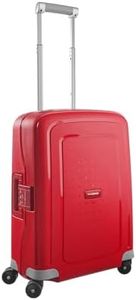
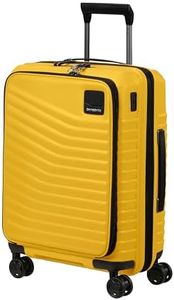
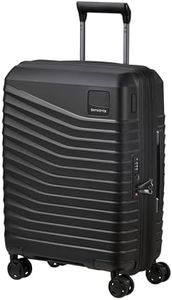
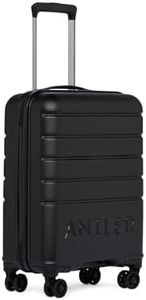
Related Products
Up to 29% off
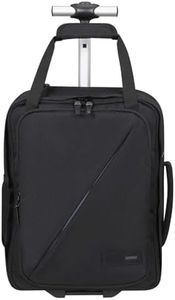

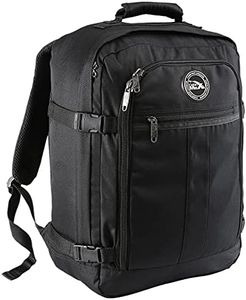
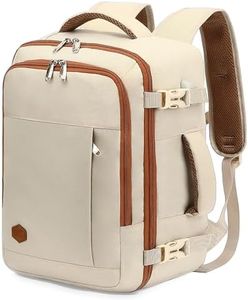
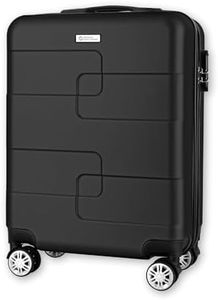
Recommended lists

Top rated
Carry On Bags
Buying Guide for the Best Airline Carry On Bag
Choosing the right airline carry-on bag is crucial for a smooth travel experience. The right bag should meet airline regulations, suit your travel style, and accommodate your belongings efficiently. When selecting a carry-on, consider factors such as size, weight, durability, and organizational features. Understanding these key specifications will help you make an informed decision and ensure your travels are hassle-free.SizeSize is one of the most important factors when choosing a carry-on bag because it must comply with airline regulations. Most airlines have specific size limits for carry-on luggage, typically around 22 x 14 x 9 inches, including handles and wheels. It's important to check the size restrictions of the airlines you frequently fly with, as they can vary. If you travel with multiple airlines, consider a bag that fits the smallest size requirement. A bag that is too large may need to be checked, which can incur additional fees and inconvenience.
WeightThe weight of the carry-on bag itself is important because airlines often have weight limits for carry-on luggage. A lighter bag allows you to pack more items without exceeding these limits. Carry-on bags can range from ultra-lightweight models to more robust, heavier options. If you tend to pack heavily or travel with weight-sensitive airlines, opt for a lightweight bag. However, if you prioritize durability and protection for your belongings, a slightly heavier bag might be more suitable.
DurabilityDurability refers to how well the bag can withstand the rigors of travel, including handling, weather, and wear and tear. A durable bag is typically made from high-quality materials like ballistic nylon or polycarbonate. If you travel frequently or carry valuable items, investing in a durable bag is wise. For occasional travelers or those who handle their bags gently, a less durable option might suffice. Consider the balance between durability and weight, as more durable materials can add weight to the bag.
Organizational FeaturesOrganizational features include compartments, pockets, and dividers that help you keep your belongings organized and easily accessible. These features are important for efficient packing and quick access to items like travel documents, electronics, and toiletries. Bags with multiple compartments and pockets are ideal for travelers who carry a variety of items and need to keep them organized. If you prefer simplicity or pack minimally, a bag with fewer compartments may be more suitable.
Wheels and HandlesWheels and handles affect the maneuverability and ease of transport of your carry-on bag. Most carry-ons come with either two wheels or four spinner wheels. Two-wheeled bags are generally more stable on uneven surfaces, while four-wheeled spinners offer greater maneuverability in tight spaces. Consider your travel habits and destinations when choosing between these options. Handles should be sturdy and comfortable, with telescoping options for easy adjustment. If you frequently navigate crowded airports or city streets, prioritize a bag with smooth-rolling wheels and ergonomic handles.
Security FeaturesSecurity features such as lockable zippers and built-in TSA-approved locks help protect your belongings from theft and unauthorized access. These features are particularly important if you carry valuable items or travel to destinations where security is a concern. If security is a top priority, look for bags with robust locking mechanisms and tamper-proof zippers. For travelers who prioritize convenience over security, a simple zipper closure may be sufficient.