10 Best Budget Underwater Cameras
From leading brands and best sellers available on the web.By clicking on a link to a third party's website, log data is shared with that third party.

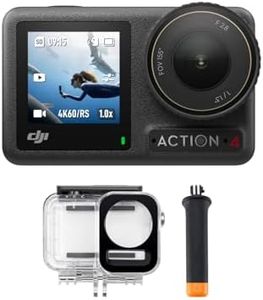
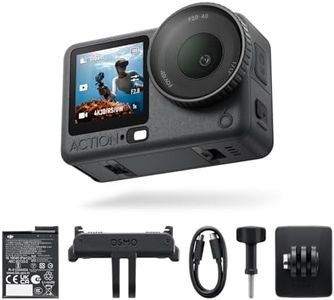
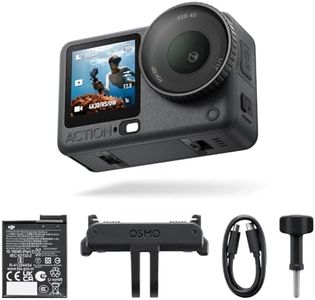
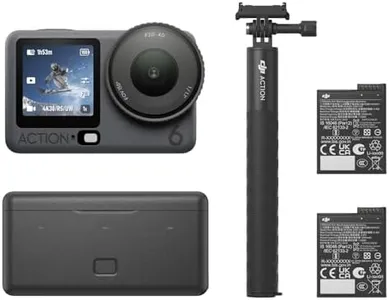
Related Products
Up to 20% off
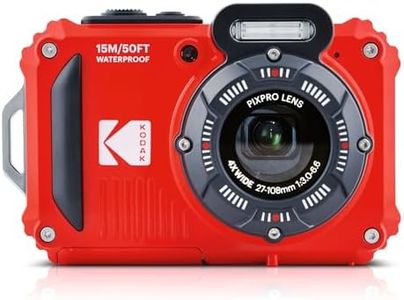
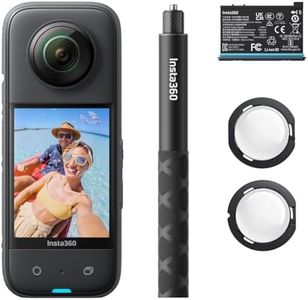
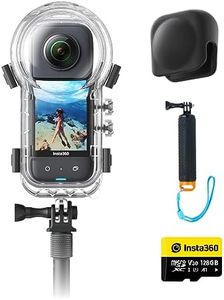
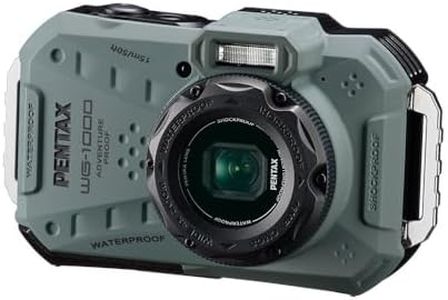
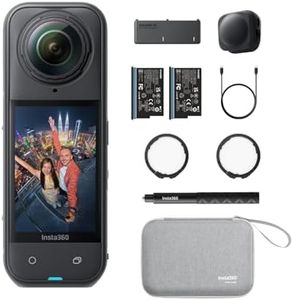
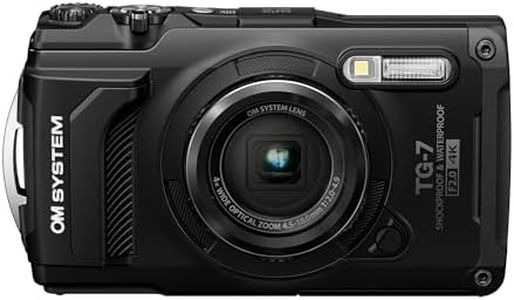
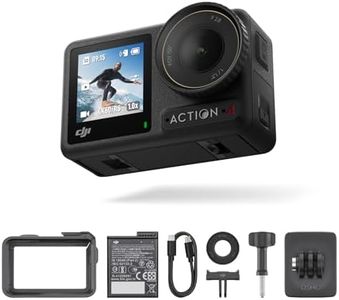
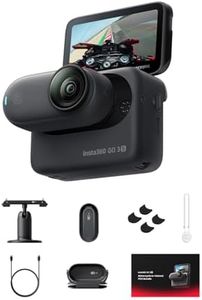
Recommended lists


Buying Guide for the Best Budget Underwater Cameras
Choosing the right underwater camera can be a thrilling yet challenging task, especially if you're new to underwater photography. The key is to understand the features that matter most for capturing stunning images and videos beneath the surface. Underwater cameras are designed to withstand the pressures of being submerged while providing high-quality images. When selecting an underwater camera, consider the environment you'll be shooting in, the depth you'll be diving to, and the type of photography or videography you plan to do. This guide will help you navigate through the essential specifications to find the best fit for your underwater adventures.Waterproof Depth RatingThe waterproof depth rating indicates how deep the camera can go underwater without being damaged. This is crucial because it determines the environments in which you can safely use the camera. Depth ratings typically range from a few meters for snorkeling to over 30 meters for scuba diving. If you plan to snorkel, a camera with a depth rating of up to 10 meters should suffice. For scuba diving, look for cameras with a depth rating of at least 30 meters. Choose a depth rating based on the maximum depth you expect to reach during your underwater activities.
Image QualityImage quality in underwater cameras is determined by the sensor size and resolution. Larger sensors and higher resolutions generally produce better images, especially in low-light conditions underwater. Cameras with resolutions of 12 to 20 megapixels are common and provide good quality for most users. If you are a casual photographer, a camera with around 12 megapixels will be adequate. For more detailed and professional shots, consider cameras with higher megapixel counts and larger sensors. Your choice should depend on how you plan to use the images, whether for social media, prints, or professional purposes.
Lens and ZoomThe lens and zoom capabilities of an underwater camera affect how you capture subjects at different distances. A wide-angle lens is beneficial for capturing expansive underwater scenes, while optical zoom allows you to get closer to distant subjects without losing image quality. Cameras with 3x to 5x optical zoom are common and suitable for most underwater photography needs. If you plan to photograph marine life from a distance, consider a camera with a higher optical zoom. Your choice should align with the type of subjects you wish to capture and the typical distance from which you'll be shooting.
Video CapabilitiesVideo capabilities are important if you plan to capture moving images underwater. Look for cameras that offer at least Full HD (1080p) video recording, though 4K is becoming increasingly popular for its superior quality. Consider the frame rate as well; higher frame rates (60fps or more) provide smoother video, which is beneficial for fast-moving subjects. If you are a casual user, Full HD might be sufficient. For more professional or high-quality video needs, opt for a camera with 4K capabilities. Your decision should be based on how you intend to use the footage, whether for personal enjoyment or professional projects.
Battery LifeBattery life is a critical factor, especially for extended underwater excursions. It determines how long you can shoot before needing to recharge or replace the battery. Most underwater cameras offer a few hours of battery life, which is generally sufficient for a day of diving or snorkeling. If you plan on long dives or multiple sessions without access to charging, consider a camera with longer battery life or the option to carry spare batteries. Your choice should reflect the duration and frequency of your underwater activities.
Durability and Build QualityDurability and build quality are essential for withstanding the harsh underwater environment. Look for cameras with robust, shockproof, and freeze-proof designs to ensure they can handle accidental drops and cold water conditions. Cameras with rugged builds are ideal for adventurous users who might encounter rough conditions. If you are a careful user or plan to use the camera in controlled environments, a standard waterproof design may suffice. Your choice should be guided by the conditions you expect to face and your personal handling habits.