10 Best Fat Tire Electric Bike
From leading brands and best sellers available on the web.By clicking on a link to a third party's website, log data is shared with that third party.
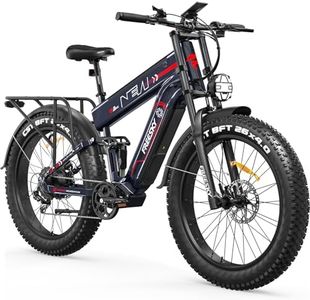
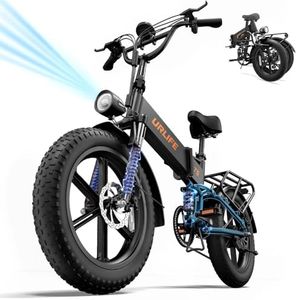
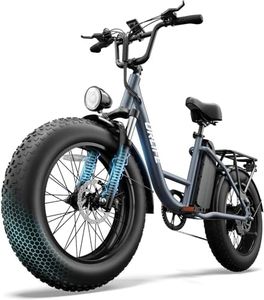
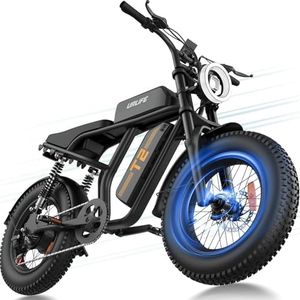
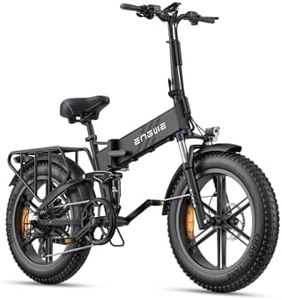
Related Products
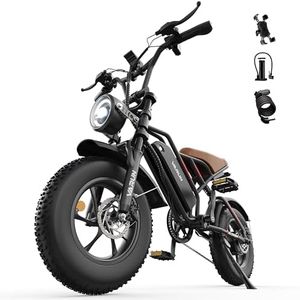
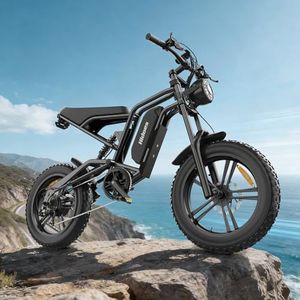
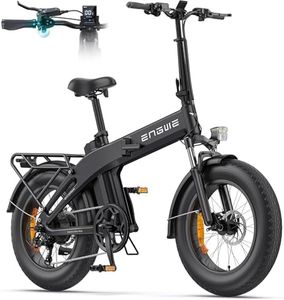
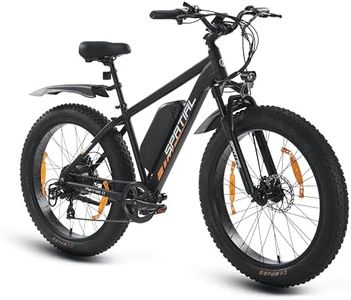
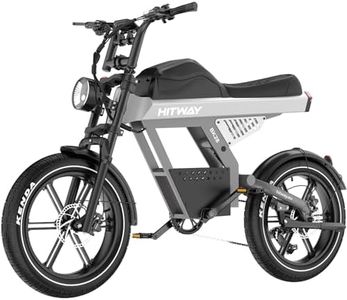
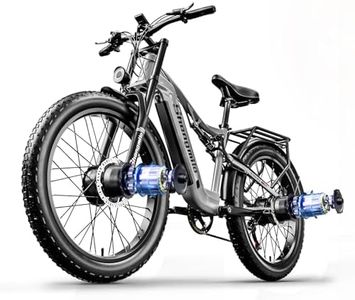
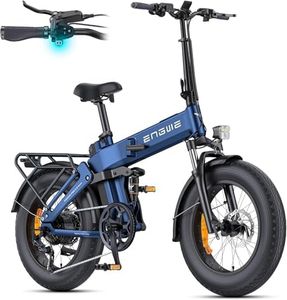

Buying Guide for the Best Fat Tire Electric Bike
Choosing the right fat-tire electric bike can be a fun and rewarding experience. These bikes are designed to handle a variety of terrains, from sandy beaches to snowy trails, making them versatile and practical for many riders. When selecting the best fat-tire electric bike for you, it's important to consider several key specifications that will impact your riding experience. Understanding these specs will help you make an informed decision that aligns with your needs and preferences.Motor PowerMotor power, measured in watts (W), determines how much assistance the bike can provide. Higher wattage means more power and better performance on steep hills or rough terrain. Motors typically range from 250W to 750W or more. If you plan to ride on challenging trails or need extra power for heavy loads, a higher wattage motor (500W or above) is ideal. For casual rides on flatter surfaces, a 250W to 350W motor should suffice.
Battery CapacityBattery capacity, measured in watt-hours (Wh), indicates how far you can travel on a single charge. A higher capacity means a longer range. Batteries usually range from 300Wh to 700Wh. If you plan on taking long rides or commuting, look for a battery with at least 500Wh. For shorter, recreational rides, a lower capacity battery will be adequate.
Tire SizeFat tires are typically 4 to 5 inches wide, providing better traction and stability on various surfaces. Wider tires offer more cushioning and grip, making them ideal for off-road conditions like sand, snow, and mud. If you plan to ride on rugged terrain, opt for wider tires (4.5 inches or more). For mixed terrain or urban riding, slightly narrower tires (around 4 inches) can offer a good balance of comfort and efficiency.
Frame MaterialThe frame material affects the bike's weight, durability, and ride quality. Common materials include aluminum, steel, and carbon fiber. Aluminum is lightweight and resistant to rust, making it a popular choice. Steel is heavier but offers a smoother ride and greater durability. Carbon fiber is the lightest and strongest but also the most expensive. Choose a frame material based on your priorities: lightweight for easy handling, durability for rough use, or a balance of both.
SuspensionSuspension systems, such as front forks or full suspension, absorb shocks and provide a smoother ride. Front suspension is common and sufficient for most riders, especially on moderately rough terrain. Full suspension (front and rear) offers maximum comfort and control on very rough trails but adds weight and cost. If you plan to ride on extremely bumpy or technical trails, full suspension is beneficial. For general off-road or mixed-terrain riding, front suspension is usually adequate.
BrakesBrakes are crucial for safety and control. There are two main types: mechanical and hydraulic disc brakes. Mechanical disc brakes are reliable and easier to maintain, while hydraulic disc brakes offer better stopping power and require less effort to use. If you ride in wet or muddy conditions, hydraulic brakes are preferable due to their superior performance. For casual or dry-condition riding, mechanical brakes are often sufficient.
WeightThe weight of the bike affects its handling and portability. Lighter bikes are easier to maneuver and transport, while heavier bikes can offer more stability. Fat-tire electric bikes typically weigh between 50 to 70 pounds. Consider your strength and how you plan to use the bike. If you need to lift or carry the bike frequently, a lighter model is better. For stable rides on rough terrain, a heavier bike might be more suitable.