10 Best Quality Extra Virgin Olive Oil
From leading brands and best sellers available on the web.By clicking on a link to a third party's website, log data is shared with that third party.
Related Products
Up to 10% off

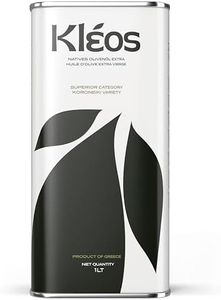
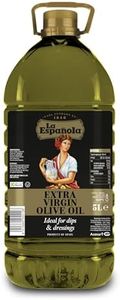
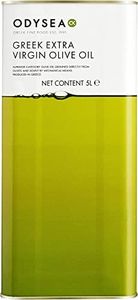
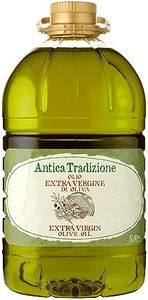
Buying Guide for the Best Quality Extra Virgin Olive Oil
Choosing the right extra virgin olive oil can enhance your culinary experience and provide numerous health benefits. Extra virgin olive oil is known for its rich flavor and high nutritional value, making it a staple in many kitchens. When selecting the best quality, it's important to consider several key factors that can affect the taste, aroma, and health benefits of the oil. Understanding these specifications will help you make an informed decision that suits your cooking needs and personal preferences.Acidity LevelAcidity level in olive oil is a measure of the free fatty acids present, which can indicate the quality and freshness of the oil. Lower acidity levels, typically below 0.8%, are preferred as they suggest a higher quality oil with better taste and nutritional value. When choosing olive oil, aim for lower acidity levels if you want a smoother taste and higher health benefits. If you're using the oil for cooking, a slightly higher acidity might be acceptable, but for dressings and raw consumption, lower acidity is ideal.
Harvest DateThe harvest date indicates when the olives were picked and processed into oil. Fresher oils, typically within a year of harvest, tend to have better flavor and nutritional properties. When selecting olive oil, look for recent harvest dates to ensure you're getting a fresh product. If you prefer a more robust flavor, opt for oils harvested earlier in the season, while later harvests might offer a milder taste.
OriginThe origin of olive oil can greatly influence its flavor profile and quality. Different regions produce oils with distinct tastes due to variations in climate, soil, and olive varieties. For example, Italian oils might be fruity and peppery, while Spanish oils can be more nutty and mild. Consider your flavor preferences and the type of cuisine you plan to prepare when choosing the origin. If you're unsure, try oils from different regions to discover which suits your palate best.
CertificationCertification labels, such as PDO (Protected Designation of Origin) or PGI (Protected Geographical Indication), ensure that the olive oil meets specific quality standards and originates from a particular region. These certifications can be a reliable indicator of authenticity and quality. When selecting olive oil, look for certified products to ensure you're getting a genuine and high-quality oil. If you value authenticity and quality assurance, certified oils are a good choice.
Flavor ProfileThe flavor profile of olive oil can range from mild and buttery to robust and peppery. This is influenced by factors such as olive variety, region, and processing methods. Consider what you will be using the oil for; a mild oil might be better for baking or light dressings, while a robust oil can enhance the flavors in hearty dishes and marinades. Taste preferences are personal, so sampling different oils can help you find the perfect match for your culinary needs.