10 Best Snooker Cues
From leading brands and best sellers available on the web.By clicking on a link to a third party's website, log data is shared with that third party.



Related Products



Recommended lists

Top rated
Slow Cooker
Buying Guide for the Best Snooker Cues
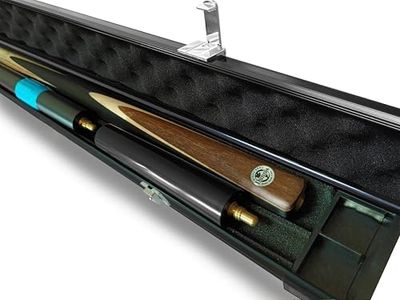
Choosing the right snooker cue is essential for improving your game and ensuring you have the best possible experience while playing. A good cue can enhance your accuracy, control, and overall performance. When selecting a snooker cue, it's important to consider several key specifications that will affect how the cue feels and performs. Understanding these specs will help you make an informed decision and find the cue that best suits your playing style and needs.Cue LengthCue length is the measurement from the tip to the butt of the cue. Standard snooker cues are typically around 57-58 inches long. This spec is important because it affects your reach and comfort while playing. If you're taller, you might prefer a longer cue, while shorter players might find a standard length or slightly shorter cue more comfortable. To pick the right length, consider your height and arm length, and choose a cue that allows you to comfortably reach the table and make accurate shots.
Cue WeightCue weight refers to how heavy the cue is, usually measured in ounces. The weight of the cue can influence your control and the power of your shots. Lighter cues (around 16-18 ounces) are easier to handle and may offer better control for finesse shots, while heavier cues (19-21 ounces) can provide more power for breaking and long shots. To choose the right weight, think about your playing style and physical strength. If you prefer precise control, a lighter cue might be better, whereas if you need more power, a heavier cue could be the right choice.
Tip SizeTip size is the diameter of the cue tip, usually measured in millimeters. Common sizes range from 9mm to 11mm. The tip size affects the contact area with the ball and can influence your accuracy and spin control. Smaller tips (around 9-10mm) offer more precision and are preferred by players who focus on accuracy and spin. Larger tips (10-11mm) provide a larger contact area, which can be beneficial for beginners or players who prioritize power over finesse. To pick the right tip size, consider your skill level and playing style. If you're a beginner, a larger tip might be easier to use, while more experienced players might prefer the precision of a smaller tip.
Cue MaterialCue material refers to the type of wood or composite used to make the cue. Common materials include ash, maple, and composite materials. The material affects the cue's feel, durability, and performance. Ash cues are known for their flexibility and responsiveness, making them popular among players who value feel and feedback. Maple cues are generally stiffer and offer a smoother finish, which can be beneficial for consistent performance. Composite cues are durable and resistant to warping, making them a good choice for players who need a reliable cue. To choose the right material, consider your preference for feel and durability. If you like a responsive cue, ash might be the best choice, while if you prefer consistency, maple or composite could be better.
Joint TypeJoint type refers to the mechanism that connects the two pieces of a two-piece cue. Common types include brass, stainless steel, and quick-release joints. The joint type can affect the cue's balance and ease of assembly. Brass joints are traditional and offer a solid connection, while stainless steel joints are durable and provide a smooth feel. Quick-release joints allow for fast assembly and disassembly, which can be convenient for players who travel frequently. To choose the right joint type, consider your need for balance and convenience. If you prioritize a solid feel, brass or stainless steel might be best, while if you need quick setup, a quick-release joint could be ideal.